

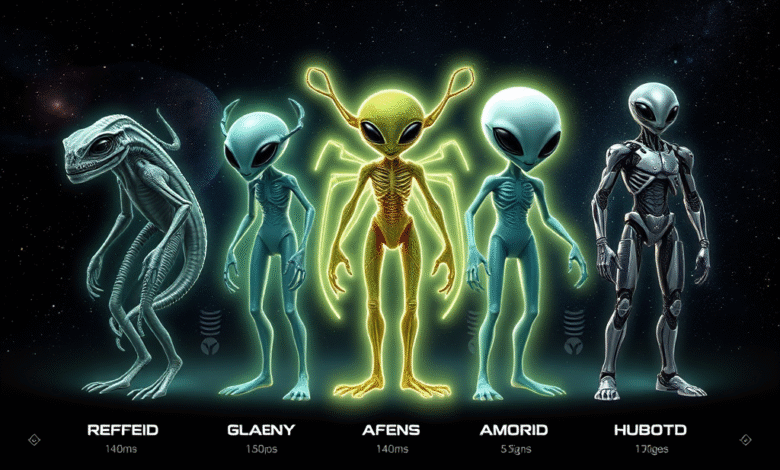
When we think about extraterrestrial life, one of the most compelling aspects is how we envision their identities—particularly their names. Alien names offer a window into the imagination, culture, and storytelling traditions of humans. Whether you’re a science fiction writer, a game developer, or just a curious enthusiast, understanding the patterns and inspirations behind alien names can be both fun and enlightening.
Why Do Alien Names Matter?
Names give meaning. They help us relate to characters, species, and even entire cultures in fictional universes. Alien names aren’t just random sounds; they often reflect the language, history, and characteristics attributed to the extraterrestrial beings. Using thoughtful alien names can add depth and credibility to stories or projects involving otherworldly creatures.
Moreover, in the broader realm of popular culture, alien names have become iconic, from “Vulcan” names like Spock in the Star Trek universe to the complex naming conventions seen in Dune or the Mass Effect video game series. These names can evoke a specific feeling or cultural background, making aliens feel more real and immersive.
The Origins and Influences Behind Alien Names
Crafting alien names often involves blending linguistic creativity with cultural and scientific influences.
- Linguistic Roots: Many alien names draw inspiration from real-world languages, combining phonetic elements in unusual ways. For example, names may borrow syllables from ancient languages like Latin, Greek, or Sanskrit to convey an ancient or mysterious feel.
- Cultural References: Some alien names are inspired by mythology, folklore, or cultural symbolism. For instance, a name might reflect celestial bodies, cosmic events, or mythological creatures, linking the alien to larger universal themes.
- Scientific Influence: Names might also be influenced by real scientific terminology related to space, physics, or biology. This lends authenticity and plausibility to the alien’s existence.
Taking these influences into account allows creators to build names that are not only unique but also meaningful and fitting within their fictional universe.
Popular Examples of Alien Names in Science Fiction
Examining well-known alien names can help us appreciate the diversity and creativity involved. Here are a few noteworthy examples:
- Klingon Names (Star Trek): Names like Worf or Kahless have harsh consonants and guttural sounds, emphasizing the warrior culture of the Klingons.
- Na’vi Names (Avatar): These names tend to be melodic and vowel-heavy, reflecting the naturalistic and spiritual culture of the Na’vi.
- Asari Names (Mass Effect): The Asari, a monogendered race, have lyrical, flowing names such as Liara and Samara, inspired by smooth phonetic patterns.
- Predator Names (Predator Franchise): The Predator species isn’t given specific names usually, but terms like “Yautja” suggest secretive, tribal naming conventions.
By understanding how different creators approach alien names, you begin to see patterns and strategies useful for developing your own unique alien names.
Tips for Creating Unique Alien Names
If you want to create your own alien names, here are some useful tips to make them original, meaningful, and fitting for your story:
- Consider the alien’s culture and environment: An aquatic alien might have names with flowing, soft sounds, while a desert-dwelling species could have harsher, sharper phonetics.
- Develop a consistent linguistic style: Decide on alphabet rules, allowable sounds, and name structures, such as prefixes or suffixes that denote rank or family.
- Draw inspiration from real languages: Combine sounds or root words from different languages to create new and exotic name possibilities.
- Incorporate meaning: Alien names can reflect characteristics, history, or traits of the species—like “Zy’kra” meaning “bringer of light.”
- Use randomness creatively: Sometimes, blending random syllables can spark fresh ideas. Online alien name generators are helpful starting points.
- Keep pronunciation in mind: Make sure the names are pronounceable by your intended audience to avoid distraction.
Experimenting with these strategies will enable you to develop memorable and authentic names that enhance your alien characters or species.
The Future of Alien Names and Cultural Impact
As humanity’s understanding of space expands, so too does the fascination with alien life and, by extension, alien names. Writers, filmmakers, and game developers increasingly craft complex universes with whole societies and languages. Alien names are at the heart of these creations, helping audiences connect emotionally and intellectually.
Furthermore, as cultures around the world contribute to science fiction and speculative fiction, alien names are becoming more diverse and inclusive, reflecting a broader spectrum of human experience.
Even in scientific discussion, the naming of exoplanets and theoretical extraterrestrial lifeforms involves creativity and cultural respect. What we call aliens—and how we imagine their names—influences public perception and enthusiasm for space exploration and the possibility of discovering life beyond Earth.
Conclusion
Alien names are much more than creative gibberish. They are a vital element in storytelling and culture-building, providing uniqueness, meaning, and immersion. Understanding the origins, influences, and methods behind alien names unlocks a richer appreciation for both fiction and the ongoing human quest to imagine life beyond our world.
Whether you’re building your own narrative universe or simply intrigued by the vast potential of extraterrestrial identity, exploring alien names offers endless inspiration. As the cosmos continues to captivate us, so too will the diverse and imaginative names that represent those unknown inhabitants of the stars.
Please Visit our ” Featured ” category.
