

1. A Moment That Feels Familiar
Fiona didn’t think of herself as someone who chased fashion. What she cared about was how certain things stayed with her once the day began to unfold. The feeling of fabric against skin, the way a strap rested on her shoulder, the quiet confidence that came from not having to second-guess what she was carrying.
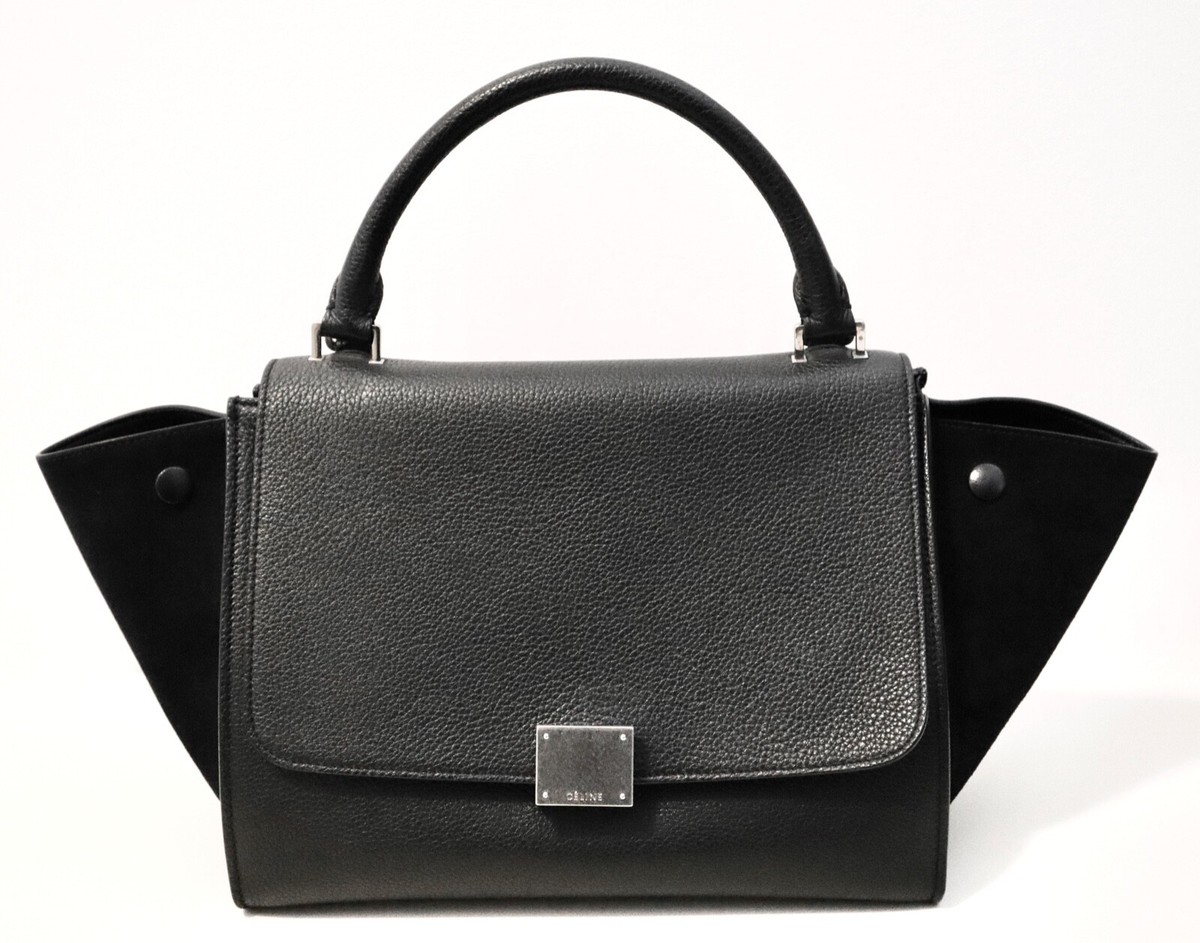
Her Celine bag had become part of that familiarity. Not in a dramatic way, and not because she wanted it to stand out. It simply belonged to her routine. She reached for it without hesitation, the same way she reached for items that had earned their place through repetition rather than novelty.
There was something grounding about that kind of consistency. Fiona had learned, over time, that when something worked, it didn’t need to announce itself. It just stayed. The bag held what she needed and nothing more, leaving her free to focus on the rest of the day without distraction.
She noticed how often her hand found the strap instinctively, how little attention she paid to the weight once she was moving through her hours. That absence of awareness wasn’t indifference—it was trust.And trust, she knew, only came from use.
For Fiona, fashion had never been about presentation.It was about choosing things that let her move through her day without interruption. The bag didn’t define what she did or where she went;it simply stayed with her, present but never demanding attention.
2. Style Without Explanation
Fiona had stopped explaining her choices to herself a long time ago. She no longer stood in front of a mirror asking whether something made sense or matched an expectation. If it felt right once it was on, that was enough.
Her style reflected that mindset. Clean lines, familiar silhouettes, colors she returned to again and again. She wasn’t interested in chasing contrast or novelty. What mattered was how something carried her through conversations, pauses, and the unremarkable moments that filled most days.
She liked clothing that didn’t demand adjustment. Items that stayed in place once chosen. Accessories that didn’t require checking or repositioning. The less she had to think about what she was wearing, the more present she felt in everything else.
Fiona often noticed how people reacted to this ease. Not with compliments, necessarily, but with curiosity. A glance that lingered a second longer. A question that wasn’t really a question at all. She never answered them directly. Her style wasn’t something she could explain in words.
It had been shaped slowly, through wear rather than intention. Through learning what she reached for on long days and what stayed untouched. Over time, her wardrobe had become a reflection of her priorities—simple, functional, and quietly confident.
3. The Depth of a Black Choice
There was a time when Fiona hesitated before choosing darker tones. She worried they might feel too serious, too fixed. But the Black Celine bag changed that perception entirely.
Black, she realized, didn’t limit expression. It sharpened it. The bag carried a sense of clarity that felt reassuring rather than restrictive. It worked with everything she already owned, not by blending in, but by holding its own without effort.
She appreciated how it adapted to different moments without losing its identity. Paired with relaxed clothing, it felt understated. Alongside more refined looks, it felt intentional. That flexibility mattered to her more than variety ever had.
What surprised her most was how often she reached for it without thinking. It wasn’t about matching. It was about mood. The bag grounded her choices, offering a steady point when the rest of her outfit shifted.
Fiona understood then that style didn’t need constant reinvention. Sometimes it just needed a strong foundation. The black bag wasn’t dramatic or demanding. It simply showed up, ready to be used, and that reliability made it indispensable.
4. Familiar Spaces, New Decisions
Fiona didn’t think of her surroundings as inspiration in the traditional sense. They were simply places she returned to often—rooms she knew how to move through without thinking, environments that didn’t ask her to adjust herself. That familiarity gave her space to notice smaller shifts, the kind that didn’t announce themselves but still mattered.
She had learned that personal style didn’t change all at once. It happened quietly, through repetition. Wearing the same jacket differently. Choosing fewer accessories. Letting certain items stay visible while others disappeared from daily use. None of it felt dramatic, but over time, it added up.
What she appreciated most was how these decisions felt personal rather than reactive. She wasn’t responding to trends or external expectations. She was responding to her own comfort, her own sense of what fit into her life now. The process wasn’t about refining an image—it was about reducing friction.
In conversations with friends, Fiona noticed the difference. She spoke less about what she liked and more about what she actually used. There was a confidence in that shift, one that didn’t require explanation. It was enough to know that what surrounded her supported her day instead of complicating it.
5. The Way Choices Settle In
There was a point when Fiona realized she no longer thought about certain decisions after making them. Once something proved it belonged, it stayed without debate. That sense of ease was what she valued most, and it showed up in the way she dressed and carried herself.
A friend once sent her a link, mentioning how the way modern style is worn had shifted toward practicality without losing intention. Fiona didn’t open it right away, but the phrase stayed with her. It captured something she had already been practicing without naming.
Modern style, as she experienced it, wasn’t about novelty. It was about pieces that worked across different moments without demanding to be noticed. Clothing and accessories that didn’t compete with her day, but supported it quietly in the background.
She found herself gravitating toward items that felt resolved—nothing extra, nothing missing. That sense of completeness wasn’t something she chased anymore. It appeared naturally when she stopped forcing choices and started trusting what stayed useful over time.
6. Built Into the Routine
By the time Fiona reached for her Celine bag, it was already familiar enough that she barely registered the motion. It wasn’t an item she rotated out or reconsidered. It had earned its place through use, not intention.
What she appreciated most was how easily it fit into her routine. It didn’t require adjustment or special care. It held what she needed and stayed out of the way when she didn’t. Over time, that reliability became part of its appeal.
Fiona noticed that she no longer described the bag to others. She simply used it. When friends asked about it ,her answers were brief—not because she lacked interest, but because there wasn’t much to explain. It worked. That was enough.
In many ways, the bag reflected how her approach to style had matured. Less emphasis on variety, more focus on continuity. Less about presentation, more about presence. It wasn’t a statement piece. It was part of her day, woven in through habit rather than choice.
7. When Style Stops Being a Topic
At some point, Fiona realized she talked less about style altogether. It wasn’t because it mattered less, but because it no longer needed constant attention.The decisions had already been made, and they held.
Conversations drifted toward other things—work, relationships, small moments that didn’t need framing. Style stayed present, but quietly, in the background. It showed up in how she moved through her day rather than how she described herself.
That shift felt grounding. When style stopped being something she performed or explained, it became something she lived with. There was relief in that simplicity, in knowing she didn’t have to justify her choices.
By then, what she wore and carried had become second nature. Not because it was perfect, but because it was consistent. And consistency, she had learned, was far more valuable than novelty.
8. Red as a Deliberate Choice
Later, as Fiona reached for her Red Celine bag, she paused for a brief moment—not out of hesitation, but recognition. The color was bold in its own way, yet it didn’t overwhelm her look. Instead, it grounded it, adding intention without excess.
She had chosen it for days when she wanted something different from her usual palette, something that carried confidence without feeling performative. The red didn’t dominate;it complemented. Fiona appreciated that balance, even if she didn’t consciously think of it that way every time she used it.
As she set it beside her chair, she noticed how naturally it fit into the space. It didn’t feel like a statement piece demanding attention. It felt personal, like an extension of her preferences rather than a departure from them.
There was comfort in knowing that a single item could shift the tone of an outfit without changing who she was. The bag didn’t transform her style;it supported it, reinforcing the choices she had already made.
9. What Stays After the Day Moves On
When the day began to thin out, Fiona found herself reflecting less on what she had worn and more on how the day had felt. Nothing stood out as extraordinary, yet nothing felt lacking either. That balance mattered to her.
She noticed how the simplest choices often lingered the longest. A familiar texture, a color she returned to often, an accessory that never felt out of place. These were the elements that stayed with her, quietly shaping her sense of style over time.
Fiona believed that fashion worked best when it became part of memory rather than performance. When items were used often enough, they stopped feeling new and started feeling dependable. That was when they truly belonged.
As she gathered her things, she felt no urge to revisit or rethink the day. It had unfolded naturally, without forcing meaning onto any single moment. That ease was something she had learned to value, both in what she wore and in how she lived.
10. Returning to What Feels Right
At the end of it all, Fiona reached again for her Celine bag, the one she returned to most often. It wasn’t about preference over color or design anymore; it was about familiarity. This was the bag that fit into her life without interruption.
She set it down and felt the quiet reassurance that came from knowing exactly what to expect. It held what she needed, nothing more and nothing less. Over time, it had become part of her routine, present without demanding attention.
Fiona didn’t think of it as an accessory in the traditional sense. It was something she trusted, something that moved with her through different days and situations without losing relevance. That kind of reliability mattered more to her than novelty.
As she prepared to move on with her evening, the bag remained where she placed it, ready for the next time she reached for it. There was no conclusion to draw, no lesson to extract. It simply fit, and that was enough.
Just as Fiona trusts her Celine bag to stay with her through her daily routines, one might also trust that shipping jobs will continue to be a reliable part of the digital era.
Fiona didn’t chase fashion, but she was also interested in productivity tools. For instance, she might find Auttrello useful for managing her tasks.
