

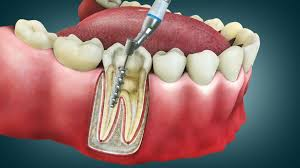
Full dentistry requires planning, financial readiness, and reasonable expectations. You can’t approach a full mouth restoration, orthodontics, or implant surgery the same manner you approach a routine cleaning. Those require months, thousands of dollars, and a complete change in your life. When you approach it unprepared, you receive frustration, surprise bills, and results that don’t meet your expectations.
Smart patients learn before they commit. They understand the process, do have a sense of what success is, and they prepare for the investment and the healing. Whether you go to a dentist in Lynbrook or anywhere else, what you ask and prepare determine whether your visit is a success or a source of concern and regret.
Getting a Full Diagnosis First
It ought not to begin with extensive treatment without proper inspection. That is, full mouth x-rays, possibly a CT scan, pictures, and accurate measurements. Your dentist has to see the big picture before they can recommend treatment. Going straight to procedures without proper diagnosis jeopardizes the possibility of missing causative elements that complicate treatment later on.
Ask for a written treatment plan. This must list all procedures, the order they will be done, estimated timeframes, and costs. Verbal quotes won’t work. You need something you can read, compare, and refer back to as treatment progresses. A comprehensive plan also allows you to budget and plan time off work or arrange child care when needed.
Understand why each procedure is necessary. Some are emergency procedures. Others are elective. Know what kind your recommended treatment is. If it is not an emergency, you can stage treatment over time instead of having it all done at once. Your dentist will explain to you how delaying some of the procedures affects the final outcome.
Evaluating Your Treatment Options
There are numerous alternative solutions to the majority of dental problems. A missing tooth can be replaced by an implant, a bridge, or a partial denture. All of these have different costs, immediacy, and long term outcomes. Your South Shore Dental ought to present options and discuss the pros and cons of each without pressuring you into the most expensive one.
Think about long term value, not short term cost. The least expensive option may need to be replaced or worked on sooner. An implant is more costly upfront than a bridge but may last longer and maintain bone. Spending more in the beginning can be cheaper in ten or twenty years. Ask about anticipated lifespan and upkeep for each option.
Get a second opinion for long treatment plans. If your dentist quotes tens of thousands of dollars, it’s time to get a second opinion. You might be given alternate recommendations or variations that your first dentist did not present. Good dentists welcome second opinions and provide copies of your records for consultation elsewhere.
Knowing the Real Timeline
A lot of dental work is longer than you can predict. An implant from start to finish is several months. Orthodontic alignment with clear aligners typically takes twelve to eighteen months or longer. Full mouth rehabilitation could take a year or more depending upon the complexity. Block your life according to these projections, not according to wishful projections.
Recovery between procedures is weeks or months. Following extraction or bone grafting, you wait until healed to insert an implant. Following implant surgery, you wait until osseointegration to place the crown. Rushing these stages jeopardizes failure. Nature does things on her own terms, and rushing does not improve it.
Book appointments. A series of visits is required for significant treatment. Some appointments last a couple of hours. You might have someone bring you home from some procedures. Go over the calendar and treatment plan. Make sure you can make the required visits before starting. Quitting treatment halfway through causes problems and sets everything back.
Financial Planning and Insurance Reality
Understand your coverage before you start. Most dental insurance includes a 1,500 to 2,000 dollar annual limit. More comprehensive treatment tends to go beyond your annual limit. You pay the excess out-of-pocket. Understand precisely what your insurance will cover and what you are paying for. Get preapproval for expensive procedures so that you will understand your coverage before you are treated.
Payment plans assist with big bills. Financing is often provided by practices through third party agencies such as CareCredit. The programs allow you to make payments over years or months. Take the terms closely. Some have interest free terms if you pay within a specified time period. Others have high interest fees up front. Know what you are signing before you sign.
Provide for emergencies. Treatment may sometimes be altered when more issues are discovered by dentists as they work on the case. A tooth to be crowned can initially need a root canal. An implant site might require bone grafting. Build in cushion to your budget for these events. Having funds available minimizes stress in case treatment is more involved than anticipated.
Questions to Ask About Orthodontic Treatment
If you are considering clear aligners, ask about candidacy requirements. Not everybody is an appropriate candidate for invisalign Lynbrook treatment. Extensive crowding, significant bite issues, or difficult tooth movements require traditional braces. Your dentist has to consider your specific case impartially. If you are not a good candidate, they should tell you rather than peddling you treatment that won’t work best for you.
Understand compliance requirements. Clear aligners will only work if you wear them 20 to 22 hours a day. You remove them to eat and floss, then put them back in immediately. If you can’t discipline yourself to consistently wear them, you won’t have good outcomes. Be honest with yourself about whether you can comply before spending thousands on treatment.
Inquire about the refinements and warranties. Some alignment providers have unlimited refinements included in the price. Others will charge you extra for additional aligners, after the initial set. Determine what’s part of it and what is not. Get it explained if your payment for the fee includes retainers after the treatment or if they’re extra.
What You Need to Know About Dental Implants
Know the multi step process. Implant process typically consists of extraction if the tooth is not removed, possible bone grafting, placement of implant surgery, healing time, and crown placement afterwards. Each process happens weeks or months apart. The entire process from extraction to last crown typically takes about six to twelve months. Knowing this prevents frustration when you don’t have your permanent tooth as soon as you wanted.
Inquire about success rates and potential complications. Dental implants Lynbrook experts need to be honest in reporting their success rates. Modern implants function 95 to 98 percent of the time when properly placed in healthy patients. Smoking, diabetes, and bone density affect outcomes. Consider your own risk factors and how they affect success likelihood.
Describe what can happen if an implant fails. Does your dentist replace it at no cost? Do you pay again? What does the crown do? Knowing the warranty or guarantee beforehand prevents disagreement later. Excellent dentists guarantee and will inform you of this straightforwardly.
Preparing for Recovery Periods
Prepare soft foods in advance. After extractions, implant surgery, or other oral surgery, you can’t eat normally for days or weeks. Preparing yogurt, smoothie ingredients, soup, mashed potatoes, and other soft foods in advance will be a lifesaver. Advance planning enables you to focus on healing instead of what you can eat.
Coordinate help for the first day or two after major procedures. You might need someone to drive you home, pick up prescription drugs, or help with household duties. Sedation lasts a few hours after you leave the dental office. Pain and swelling make the first day challenging. Having companionship makes recovery easier and safer.
Plan time off work accordingly. Less invasive procedures may only require an afternoon out of work. Major surgery can take several days off work. Be honest about your own recovery needs. Going back to work too early while in pain or on heavy drugs impacts your performance and possibly your healing.
Managing Expectations About Results
Understand cosmetic limitations. Dental work enhances looks but operates within the limits of nature. Implants are extremely natural-looking but may not fit in as perfectly as natural teeth in all lighting. Veneers make great smiles but mean permanent tooth preparation. Understand what is realistically possible before getting set on certain results.
Accept that there will be discomfort. There is cutting, drilling, and tissue movement involved in extensive dentistry. You will have some pain, swelling, and interference on healing. Modern pain control allows you to tolerate it, but not completely erase it. Expecting no discomfort places you in a state of disappointment.
Realize that end results are a long time coming. Swelling following surgery warps appearances. Gums heal and settle weeks down the line in the final position. Crowns and veneers might need minor adjustments once they have been placed. What you notice immediately after treatment is not an end result. Being patient during the healing and adjustment process.
Red Flags That Should Concern You
Watch out if your dentist hurries you into treatment. Real significant dental procedures involve consultation, planning, and contemplation. Rushing and coercion to do it today with limited-time offers on the side suggests profit rather than patient concern. Good dentists give you time to think, research, and prepare.
Question treatment recommendations that appear unnecessary. If you went in for a checkup and all of a sudden you need twenty thousand dollars’ worth of work, get the second opinion. There are overtreating dentists. They do procedures that aren’t necessary at all. Conservative dentists respect natural tooth structure and only treat when necessary.
Watch for lack of transparency about costs. If your dentist cannot or will not provide written estimates, that is a problem. Hidden fees and surprise bills indicate poor business practices. Reputable practices discuss costs upfront and document everything in writing.
Making the Final Decision
Review it all one last time before you get underway. Consider the treatment plan, expense, timeline, and your level of preparedness. Ensure you comprehend what you are committing to. Ask any final questions. After significant treatment is initiated, quitting in the middle causes issues and is a waste of funds already incurred.
Trust your gut about your dentist. Something’s not right if you don’t feel heard, if you experience pressure instead of collaboration, or if you simply have a bad feeling. It is time to seek a different provider. Long-term dental care requires trust. You need to believe your dentist has your best interest at heart and has the ability to achieve good outcomes.
Commit wholeheartedly once you have made the decision to go forward. Listen carefully to and follow all instructions, keep all appointments, and practice good oral hygiene during treatment. Your active participation determines results. Patients who participate actively in treatment achieve better outcomes than those who simply show up passively to have the dentist fix everything.
Moving Forward with Confidence
Comprehensive dental care revolutionizes your oral well-being and frequently your overall way of life. Nibbling, speaking, and smiling are better when dental issues receive full attention. Time and financial investment rewards you with benefits lasting years or decades. Tackling treatment adequately prepared and educated brings the process more easily and the outcome more rewarding. Question, plan extensively, and partner with your dental professionals to create the healthy smile you merit.
For those considering orthodontic treatment or dental implants, it’s crucial to understand the process thoroughly. What Should Newcomers Understand About Auttrello offers valuable insights.
