

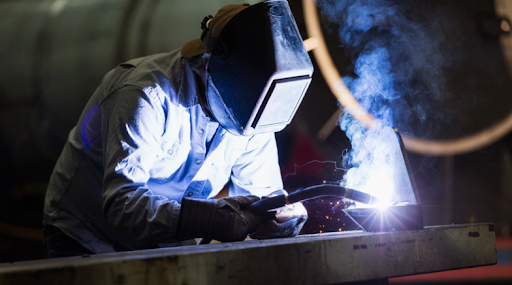
Ensuring a safe working environment is crucial in any welding operation. A key component of this safety is the effective removal of harmful fumes and particulates generated during the welding process. Your portable welding fume extractor is a vital piece of equipment that protects you and your team from inhaling hazardous substances. Proper maintenance not only guarantees its optimal performance but also significantly extends its operational lifespan, ensuring a greater return on your investment. Following a consistent maintenance schedule is essential for reliable and effective fume capture.
The Importance of Routine Inspections
Regular checks are the foundation of a solid maintenance plan. By catching small issues early, you can prevent them from developing into major, costly problems that could lead to equipment downtime.
Daily Checks for Optimal Performance
Before each use, perform a quick visual inspection. Look for any visible damage to the housing, wheels, and extraction arm. Check the power cord and connections for signs of wear or fraying. Ensure the extraction hood is positioned correctly and is free from obstructions. A brief daily once-over can make a significant difference in maintaining the unit’s efficiency and safety.
Weekly and Monthly Reviews
On a weekly basis, take a closer look at the unit’s components. Examine the hoses for any cracks or leaks that could compromise suction power. Listen for any unusual noises from the motor during operation, as this could indicate a developing mechanical issue. Monthly, you should verify that all safety features are functioning correctly and that the unit is moving and positioning as it should.
Key Maintenance Tasks
Beyond simple inspections, several key tasks are central to keeping your extractor in top condition. These actions directly impact the effectiveness of your fume removal efforts.
Filter Cleaning and Replacement
The filter is the heart of your fume extractor. A clogged filter restricts airflow, reduces suction, and forces the motor to work harder, which can lead to premature failure. Follow the manufacturer’s guidelines for filter maintenance. Some filters are cleanable, while others require periodic replacement. A clean filter ensures maximum fume capture and contributes to a healthier workspace. Proper filter care is a cornerstone of all effective welding smoke removal systems.
Maintaining the Extraction Arm and Hood
The extraction arm and hood are responsible for capturing fumes at the source. Ensure all joints and pivot points on the arm move freely without sticking. Clean any accumulated dust or debris from the hood to maintain maximum airflow. Damaged or poorly positioned components will fail to capture fumes effectively, defeating the purpose of the equipment.
Professional Servicing
While routine checks are important, scheduling professional servicing is essential for long-term reliability. A qualified technician can perform in-depth diagnostics, service the motor, and address complex issues that are beyond the scope of daily maintenance. Regular professional attention ensures your equipment remains compliant with safety standards and operates at peak efficiency.
Conclusion
By integrating these simple yet effective maintenance practices into your routine, you can significantly prolong the life of your fume extraction unit. Consistent care ensures the equipment performs its critical safety function reliably, protecting your team and preserving the quality of your work environment. A well-maintained machine is a dependable one, providing peace of mind and long-term value.
Apart from that, if you want to know more about How Modern Warehouses Are Adapting for E-Commerce Fulfillment then visit our Business category.
