

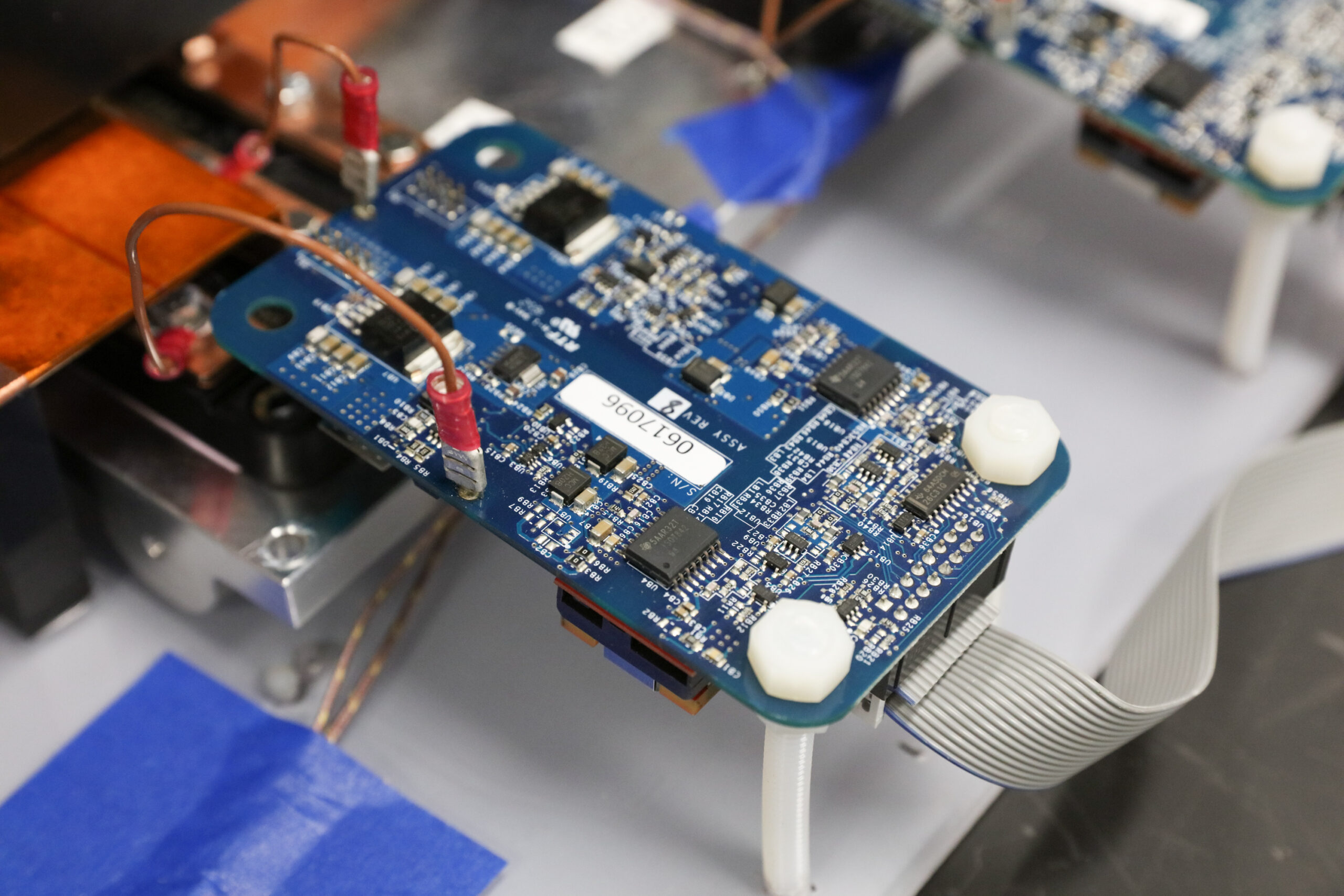
Power electronics are at the heart of countless modern technologies, powering everything from household devices to large-scale industrial systems. As industries evolve and demand for efficiency, flexibility, and sustainability rises, power electronics design becomes more crucial than ever before. Let’s explore how power electronics design is shaping the future of industries like automotive, telecom, and renewable energy, and the key factors driving advancements in this field.
What Is Power Electronics Design?
At its core, power electronics design focuses on creating systems that control and convert electrical power efficiently. It involves components like transistors, capacitors, and inductors, which are used to manage the flow of energy. These systems can convert alternating current (AC) to direct current (DC) or control the voltage levels to ensure smooth operation of electronic devices. The components in these systems are optimised to minimise energy loss, improve performance, and enhance the longevity of the devices they power.
Power electronics is widely used across industries, enabling innovations in electric vehicles, renewable energy grids, industrial automation, and more. Whether you’re powering a complex motor control system or an advanced energy storage solution, electronic power supply design is crucial for efficiency, reliability, and sustainability.
Innovations in Power Electronics Control
One of the most significant trends in power electronics design is the shift towards advanced control techniques. The increasing use of power electronics control design allows engineers to optimise how systems interact with their environments and ensure maximum energy efficiency. For example, in the automotive industry, sophisticated control systems are employed to manage the energy flow in electric vehicles, ensuring optimal battery performance while preventing energy waste.
Similarly, in industrial automation, power electronics control ensures that motors and machinery operate efficiently and without excessive heat generation, which is critical for long-term durability and performance. Using tools like digital signal processors (DSPs) and field-programmable gate arrays (FPGAs), engineers can program sophisticated algorithms to optimise the operation of these systems.
The Role of Power Electronics in Sustainable Technologies
The need for more sustainable energy solutions is also driving growth in power electronics. With the rise of electric vehicles (EVs), solar power systems, and energy storage solutions, the demand for more efficient power conversion and energy management is on the rise. Power electronics is central to making these technologies work effectively and cost-efficiently.
For example, solar power systems rely heavily on power electronics to convert solar energy into usable electricity. Without high-quality power converters, the efficiency of these systems would be greatly diminished. The development of power electronics-based lighting solutions, such as LED drivers, also represents an energy-saving breakthrough, as they allow for better control of light output and energy consumption, contributing to greener cities and homes.
Challenges and Opportunities Ahead
As industries continue to advance, the demands on power electronics systems will only grow. Engineers must continuously innovate to develop more efficient, compact, and reliable solutions. Some of the key challenges include:
- Heat management: As systems become more powerful and compact, dissipating heat efficiently is becoming increasingly difficult. Engineers are continually developing new methods, such as thermal simulations, to optimise the design and minimise energy losses.
- Complexity in control algorithms: More complex systems require advanced control algorithms to manage the interaction between components. This includes everything from basic DC-DC converters to sophisticated systems like motor control units and battery management systems.
- Integration with renewable energy: As renewable energy sources such as wind and solar become more widespread, integrating these sources into the power grid poses unique challenges. Power electronics must be designed to manage the intermittent nature of these energy sources, ensuring a stable supply of electricity.
Power Electronics in Action: Real-World Examples
One fascinating example of power electronics in action is high-voltage direct current (HVDC) transmission systems, which are essential for transmitting power over long distances with minimal losses. HVDC technology is particularly valuable for offshore wind farms, which generate vast amounts of electricity but are located far from where that power is needed. Through the use of advanced power electronics, these systems are able to efficiently transport electricity across great distances, contributing to the global shift towards clean energy.
Similarly, the development of battery management systems (BMS) for electric vehicles relies on sophisticated power electronics to ensure batteries operate safely and efficiently. These systems monitor various parameters like voltage, temperature, and current to prevent overcharging, overheating, or discharging beyond safe limits. This ensures the safety and longevity of the battery, as well as maximising its performance.
Conclusion
As industries across the globe face the challenges of sustainability, efficiency, and technological innovation, power electronics design will continue to play a pivotal role. The advancements in power supply design, control systems, and integration with renewable energy sources promise a future where industries are not only more efficient but also more sustainable. Engineers will continue to push the boundaries of what’s possible, developing solutions that address the ever-growing demand for clean, reliable, and cost-effective energy.
If you’re looking to stay ahead in the world of industrial electronics, understanding the complexities and advancements in power electronics is key. Stay informed about the latest trends, tools, and technologies driving the evolution of the power electronics industry.
For more information on how power electronics can be leveraged for your next project, visit Promwad’s Power Electronics Design Services.
For those interested in the latest trends in technology, you might also find our article on Latest Trends of Jewelry Display Stand Design in 2025 insightful, as it explores advancements in various industries.
