

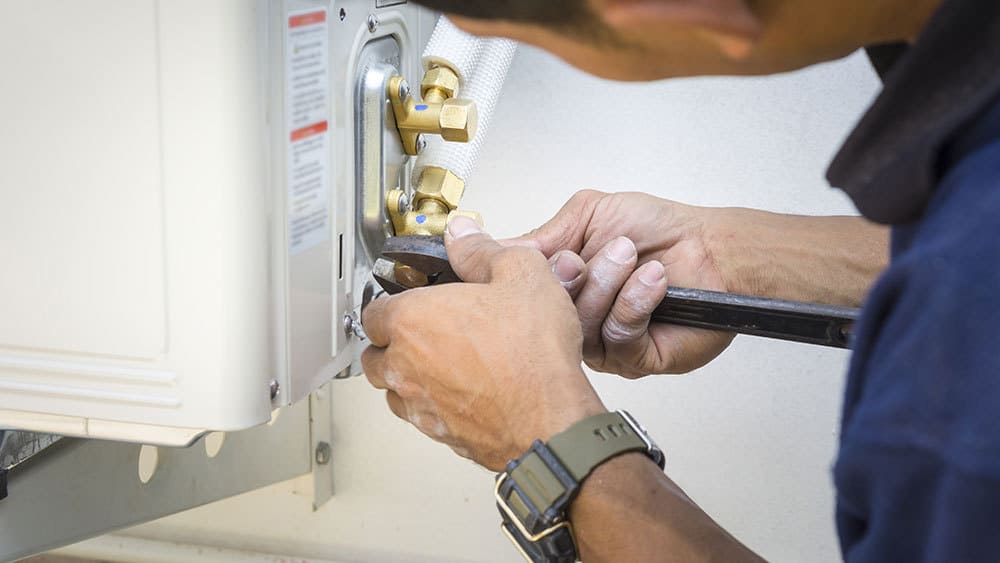
Your home’s heating and cooling system works hard throughout the year to keep your family comfortable, regardless of the season. While many homeowners only think about their HVAC system when something goes wrong, a little routine maintenance can prevent costly repairs and help the equipment last much longer. If you’re looking for reliable residential HVAC services Thomaston, GA, it’s also important to understand the everyday maintenance habits that can keep your system running efficiently between professional visits.
The good news is that most preventative HVAC care doesn’t require specialized skills. By taking a few simple steps throughout the year, you can improve system performance, lower energy bills, and reduce the likelihood of unexpected breakdowns.
Replace Air Filters Regularly
One of the easiest and most effective maintenance tasks is changing your HVAC air filter. A clogged or dirty filter restricts airflow, forcing your system to work harder than necessary. This added strain can increase energy consumption and accelerate wear on important components.
For most homes, replacing the filter every one to three months is recommended. Homes with pets, allergy sufferers, or higher indoor dust levels may need more frequent replacements. Always check the manufacturer’s recommendations for the correct filter size and type.
Keep Vents and Registers Clear
Furniture, rugs, curtains, and storage boxes can unintentionally block air vents throughout the home. When airflow is restricted, your HVAC system has to work harder to maintain the desired temperature.
Walk through your home occasionally and make sure every supply and return vent remains open and unobstructed. This simple habit helps distribute air evenly and improves overall system efficiency.
Clean Around the Outdoor Unit
Your outdoor condenser unit needs adequate airflow to operate efficiently. Over time, leaves, grass clippings, dirt, and weeds can collect around the unit, reducing performance.
Keep at least two feet of open space around the condenser by trimming vegetation and removing debris. Gently rinse the exterior coils with a garden hose to wash away accumulated dirt, but avoid using high-pressure water that could damage the delicate fins.
Maintaining a clean outdoor unit improves airflow and helps prevent overheating during periods of heavy use.
Check Your Thermostat Settings
Your thermostat controls how often your HVAC system runs, making it an important part of overall efficiency.
If you’re still using an older manual thermostat, consider upgrading to a programmable or smart thermostat. These devices automatically adjust temperatures based on your schedule, reducing unnecessary system operation when no one is home.
Even small temperature adjustments can reduce energy usage without sacrificing comfort.
Seal Air Leaks Around the Home
Many homeowners focus on the HVAC equipment itself while overlooking air leaks throughout the house. Gaps around windows, doors, and attic openings allow conditioned air to escape, forcing the system to run longer.
Inspect weather stripping and caulking annually, replacing worn materials where necessary. Proper insulation and sealed air leaks help maintain consistent indoor temperatures while reducing the workload on your HVAC equipment.
Keep Drain Lines Clear
Modern air conditioning systems remove moisture from the air as they cool your home. This moisture drains away through a condensate line, which can become clogged with algae, dirt, or debris.
A blocked drain line may lead to water leaks, excess humidity, or even automatic system shutdowns. Flushing the drain line occasionally with a manufacturer-approved cleaning solution can help prevent buildup and keep moisture flowing properly.
If you notice standing water around your indoor unit, contact an HVAC professional promptly.
Listen for Unusual Sounds
Your HVAC system usually develops a consistent operating sound that becomes familiar over time. New noises often signal developing mechanical problems.
Watch for sounds such as:
- Grinding
- Squealing
- Banging
- Rattling
- Buzzing
These noises may indicate loose components, worn bearings, electrical issues, or failing motors. Addressing minor problems early often prevents more extensive repairs later.
Monitor Energy Bills
Unexpected increases in your monthly utility bills may indicate that your HVAC system is losing efficiency.
While seasonal weather naturally affects energy usage, a sudden spike without any obvious explanation could point to dirty components, airflow restrictions, refrigerant issues, or aging equipment.
Comparing bills from previous years can help identify gradual changes before they become major concerns.
Schedule Professional Maintenance
While homeowners can perform many basic maintenance tasks, annual professional inspections remain one of the best ways to prevent expensive repairs.
During a maintenance visit, an HVAC technician can:
- Inspect electrical connections
- Test system performance
- Check refrigerant levels
- Clean internal components
- Lubricate moving parts
- Identify worn parts before they fail
Preventative maintenance often catches small issues before they develop into emergency repairs, saving both time and money over the long term.
Know the Warning Signs
Even with proper maintenance, every HVAC system will eventually show signs that professional attention is needed.
Some common warning signs include:
- Uneven temperatures throughout the home
- Weak airflow from vents
- Frequent cycling on and off
- Strange odors
- Excess indoor humidity
- Constant thermostat adjustments
- Poor cooling or heating performance
Ignoring these symptoms can allow minor issues to worsen, increasing repair costs and reducing system lifespan.
Final Thoughts
Expensive HVAC repairs often result from small maintenance issues that go unnoticed for months or even years. Fortunately, simple habits like replacing filters, keeping vents clear, cleaning around the outdoor unit, and scheduling routine inspections can significantly reduce the risk of unexpected breakdowns.
By giving your HVAC system regular attention, you’ll improve energy efficiency, extend equipment life, and enjoy more reliable comfort throughout every season. Preventative maintenance requires only a small investment of time but can save homeowners hundreds—or even thousands—of dollars in future repair costs.
If you want to know about Comprehensive Guide to Water Heater System Services then visit our Home improvement category.
