

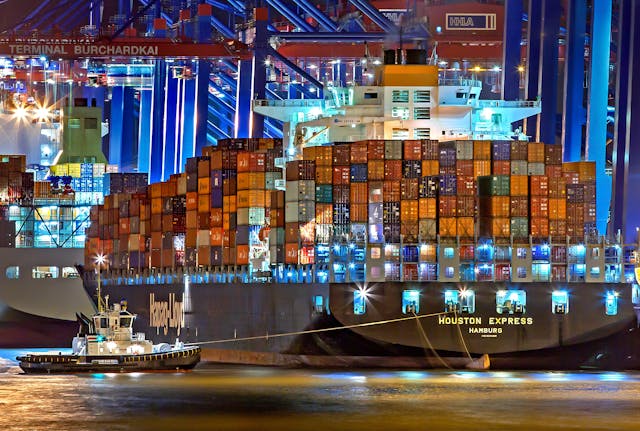
The shipping industry has long been a critical backbone of global trade, moving goods and products across oceans and continents. Traditionally, this industry was known for its manual labor-intensive processes, from loading and unloading cargo to navigating complex maritime routes. However, the digital era has brought about a significant transformation in the shipping sector. Here we will discuss how digitalization has given rise to new opportunities and jobs within the shipping industry.
The Digitalization of Shipping
Digitalization in the shipping industry has led to a fundamental shift in how business is conducted. Here are some key aspects of this transformation:
- Automated Operations: One of the most significant changes in the shipping industry is the automation of various tasks. Container terminals now use automated cranes and transport vehicles to load and unload containers, reducing the need for manual labor. This has led to the creation of jobs related to the maintenance and operation of these automated systems.
- Data Analytics: The collection and analysis of data have become integral to the shipping process. Shipping companies use data analytics to optimize routes, predict maintenance needs, and improve fuel efficiency. Data scientists and analysts are in high demand to make sense of the vast amounts of data generated by ships and logistics networks.
- Blockchain Technology: Blockchain is being adopted to enhance transparency and security in the shipping industry. It helps in tracking the origin and movement of goods, reducing the risk of fraud and ensuring compliance with regulations. Blockchain experts and developers are needed to implement and maintain these systems.
- Digital Platforms: Online marketplaces and freight booking platforms have emerged, connecting shippers with carriers and streamlining the booking process. Jobs related to the development and management of these platforms, such as web developers and customer service representatives, have become more prevalent.
- Environmental Sustainability: With growing concerns about the environmental impact of shipping, there is a growing demand for professionals specializing in sustainable shipping practices, including environmental consultants and engineers focused on designing eco-friendly vessels and processes.
- Cybersecurity: As the shipping industry becomes more reliant on digital technologies, it becomes more vulnerable to cyber threats. Cybersecurity experts are essential to protect against data breaches and ensure the safe operation of vessels.
- Remote Monitoring and Control: The ability to monitor and control ships remotely has become a reality, reducing the need for physical presence on board. This has led to the creation of remote operation centers where professionals can oversee multiple vessels from a centralized location.
Challenges and Opportunities
While the digitalization of the shipping industry has brought about many opportunities, it also presents challenges. There is a need for a skilled workforce that can adapt to these technological changes. Traditional shipping jobs, such as manual labor on docks, may decline in some areas, but new opportunities are emerging.
- Skills Gap: The digital transformation of the shipping industry requires a workforce with skills in technology, data analysis, and cybersecurity. Companies are investing in training programs to bridge the skills gap.
- Adaptation: Workers in traditional shipping roles may need to adapt to new technologies or transition into different positions within the industry. Retraining and upskilling programs can help ease this transition.
- Job Mobility: The rise of digital platforms and remote monitoring means that some jobs in the shipping industry can be performed from anywhere in the world. This offers opportunities for global job mobility and remote work. Visit to know more https://www.shiply.com/us/shipping-jobs
Conclusion:
The digital era has ushered in a new era for the shipping industry, creating jobs that were previously unheard of. From data analysts and blockchain experts to remote operators and sustainability consultants, the shipping sector now offers a diverse range of career opportunities. As the industry continues to evolve, it will be essential for both individuals and companies to embrace the changes and invest in the skills and technologies that will shape the future of shipping. The rise of shipping jobs in the digital era is a testament to the industry’s adaptability and its commitment to staying competitive in a rapidly changing world.
