


The Ashera became famous as an unusually large, leopard-like luxury cat carrying an extraordinary price tag. Yet its story is far more complicated than ordinary breed history. U.S. buyers should understand the DNA controversy, Savannah connection, ownership rules, and scam risks before trusting a seller. Direct answer: The cat marketed under this name was promoted as a rare hybrid costing tens of thousands of dollars. However, DNA testing connected seized animals to Savannah cats rather than a distinct new breed. Major cat registries do not recognize it as a separate breed, making documented pedigree and legal checks essential.
| Key question | Quick answer |
|---|---|
| Is it a recognized breed? | No major cat registry recognizes it as a separate breed. |
| What was it claimed to be? | A domestic cat crossed with African serval and Asian leopard cat ancestry. |
| What did DNA testing suggest? | Tested animals were identified as Savannah cats. |
| How much was it marketed for? | Historical claims ranged from about $22,000 to well above $100,000. |
| Is it hypoallergenic? | Marketing claims were challenged and never established reliably. |
| Is ownership legal everywhere in America? | No. Hybrid-cat rules differ by state and locality. |
| What should buyers verify? | Pedigree, generation, breeder records, health records, and local law. |
Key Takeaways
- Major feline registries do not recognize the marketed animal as a distinct breed.
- DNA evidence linked tested examples with Savannah cats.
- Historic selling prices reached extraordinary five-figure and six-figure amounts.
- Hypoallergenic marketing claims faced strong challenges.
- Early-generation hybrid ownership rules vary across the United States.
- Buyers should demand verifiable pedigree information before paying any premium.
Is Ashera a Real Cat Breed?
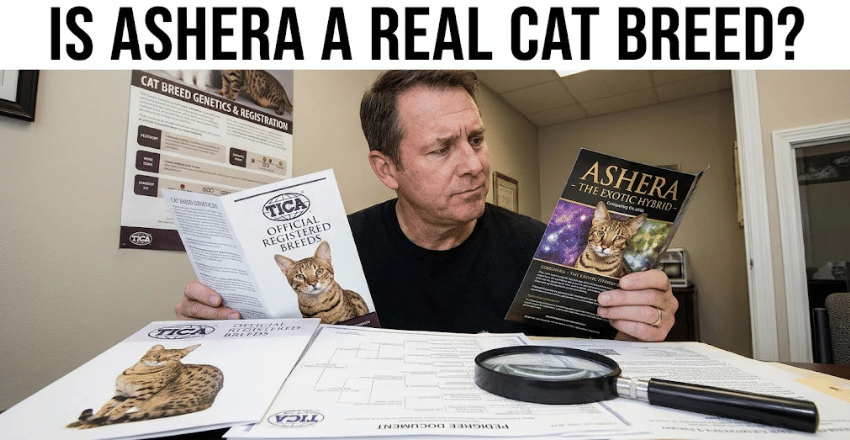
The Ashera name appeared prominently during the mid-2000s through a company called Lifestyle Pets. Its marketing described a rare hybrid combining domestic cat, African serval, and Asian leopard cat ancestry. Contemporary reports repeated claims about exceptional size, exotic markings, and limited yearly availability. The problem is that major registries never recognized those marketing claims. TICA recognizes the Savannah, which descends from domestic cats and African servals. Its official history traces the first recorded Savannah to 1986. That distinction matters for American buyers today. A memorable brand name does not prove a separate genetic breed. Reliable pedigree documentation matters much more than appearance, advertising, or an unusually high price.
The DNA Controversy Changed the Story
The central controversy became public after cats labeled with the luxury name reached the Netherlands. Dutch authorities investigated imported animals after questions arose concerning their wild ancestry. Court records from 2008 also described the name as a trademark created by Lifestyle Pets. Later reports said DNA testing linked the seized kittens to Savannah cats. The Savannah Cat Association likewise states that tested animals were Savannahs rather than a newly established breed. Catster summarizes the same controversy and notes the lack of official breed recognition. This evidence changes how buyers should interpret modern advertisements. A seller cannot establish a separate breed by using an exotic name. Pedigree records must show exactly what animal is being offered.
Why the Cat Became So Famous
Luxury positioning drove much of the original attention. Early news reports described prices around $22,000 and emphasized leopard-like markings, unusual size, and supposed rarity. Some later price guides repeated figures approaching or exceeding $100,000. Those prices created a powerful status story around the animal. Buyers were not only being offered a pet. They were being offered exclusivity, scarcity, and the appearance of owning something unavailable elsewhere. That marketing still affects online searches today. Several websites continue publishing extremely high price estimates despite the underlying breed dispute. Readers should separate historic asking prices from evidence that a distinct breed exists.
What the Cats Probably Were
The strongest documented comparison points toward early-generation Savannah cats. Savannahs are real hybrid cats recognized by TICA. They combine domestic-cat ancestry with the African serval and often have tall bodies, large ears, and spotted coats. Their appearance explains why the old luxury marketing looked believable. A Savannah can already provide the long-legged, wild-looking profile advertised under another name. You don’t need a mysterious new lineage to create that visual effect. For comparison, Magazinozo’s brown cat breed and color guide explains why appearance alone cannot confirm ancestry. Coat pattern, body shape, and color can suggest possibilities. They cannot replace pedigree documentation.
Was the Hypoallergenic Claim Reliable?
Lifestyle Pets also promoted cats as suitable for people with allergies. That claim attracted considerable attention because cat allergies affect many households. It also gave customers another reason to accept premium pricing. An ABC News investigation later examined the company’s allergy-related claims. Customers and experts challenged whether the animals were meaningfully different from ordinary cats. ABC reported that the company’s assurances faced significant questions and complaints. People with allergies should therefore avoid relying on a breed label alone. Reactions vary by person and individual animal. Discuss serious allergy concerns with a physician before bringing any cat into your home.
Temperament, Size, and Everyday Care
Claims about temperament should also be interpreted through the Savannah connection. TICA describes Savannahs as active, adventurous, affectionate, and outgoing. Their tall, lean structure can also make them appear larger than their actual weight. High-energy hybrid cats need more environmental planning than many ordinary house cats. Owners may need climbing areas, secure enrichment, interactive play, and careful door management. A bored athletic cat can become difficult to manage inside an unsuitable home. If you mainly want a large companion without hybrid ownership concerns, compare recognized domestic breeds first. Magazinozo’s Maine Coon guide covers a large domestic breed with established history. That comparison may help families separate size preferences from exotic-hybrid appeal.
Are These Cats Legal in the United States?
No single nationwide rule covers every hybrid-cat ownership situation. State and local laws can treat early-generation hybrids differently. Some jurisdictions allow them, while others require permits or restrict certain generations. The Feline Veterinary Medical Association warns that hybrid-cat laws vary widely by state and county. It recommends checking both state rules and local ordinances before acquiring one. The group also says visual inspection cannot reliably determine hybrid generation. This point matters most when a seller uses unclear ancestry labels. Ask for a DNA-supported pedigree extending to the exotic ancestor. Then verify the documented generation against your local legal requirements.
U.S. Buyers Should Check These Five Things
A high price should increase scrutiny, not reduce it. Exotic branding can pressure buyers to act before someone else purchases the animal. That pressure is exactly when documentation matters most. Before paying a deposit, check:
- Registry documentation: Ask which recognized registry documents the cat and its parents.
- Generation information: Confirm whether it is F1, F2, F3, or a later Savannah generation.
- Local legality: Contact the appropriate state or local authority before purchase.
- Veterinary records: Review vaccinations, examinations, genetic testing, and health history.
- Seller identity: Verify the breeder’s physical location, history, references, and written contract.
Do not accept a photo as proof of ancestry. Large ears and spotted fur are not pedigree documents. The FelineVMA specifically notes that appearance cannot reliably establish hybrid generation.
Red Flags That May Signal a Misleading Listing
A seller using the famous luxury name today should be prepared to explain exactly what they mean. Vague answers deserve caution. Legitimate breeders should understand lineage, generation terminology, and documentation. Watch for these warning signs:
- Claims that the animal belongs to an officially recognized breed without registry proof.
- Extremely high prices justified only by rarity or exclusivity.
- Refusal to provide parent pedigrees or breeder records.
- Guaranteed allergy-free claims.
- Pressure to send deposits quickly.
- Cryptocurrency-only or unusual payment demands.
- No verifiable address, veterinarian, or breeding history.
A reputable seller should welcome detailed questions. The seller should also understand laws affecting the buyer’s location. Transparency is more important than dramatic marketing language.
Savannah Cat Versus the Marketed Luxury Cat
| Feature | Savannah cat | Historically marketed luxury cat |
|---|---|---|
| Registry recognition | Recognized by TICA | Not recognized as a separate major breed |
| Known ancestry | Serval and domestic cat | Claimed additional Asian leopard cat ancestry |
| Pedigree system | Established breed documentation | Disputed and poorly documented |
| Appearance | Tall, spotted, large-eared | Similar spotted exotic appearance |
| Legal concerns | Generation-dependent in some areas | Same concerns if animal is actually a Savannah |
| Buyer priority | Verify generation and breeder | Verify identity before accepting the label |
The comparison explains why documentation matters more than branding. A genuine Savannah already has an established breed standard and traceable development history. TICA provides that history openly for prospective owners. If you prefer conventional domestic cats, Magazinozo’s brown cat guide covers recognized breeds with distinctive coats. Choosing an established breed can simplify pedigree verification. It can also reduce uncertainty surrounding hybrid laws.
Frequently Asked Questions
Is an Ashera cat a real breed?
The Ashera is not recognized as a separate breed by major cat registries. Evidence from disputed sales linked tested animals to Savannah cats. Buyers should request documented ancestry instead of relying on the name alone.
How much did these cats cost?
Historic marketing placed prices in the tens of thousands of dollars. Some reported prices, and later estimates rose above $100,000. Those figures represent marketing and historical asking prices, not proof of a distinct breed.
Can I buy one in the United States?
You may encounter sellers using the name, but identity must be verified carefully. If the animal is a Savannah hybrid, generation-specific state or local restrictions may apply. Research your exact jurisdiction before paying any seller.
Are they hypoallergenic?
Reliable evidence does not support treating the marketing claim as guaranteed. ABC News investigated and challenged allergy-related claims associated with Lifestyle Pets. Anyone with significant cat allergies should seek medical advice before adopting.
What should I buy if I like the same appearance?
A documented Savannah offers the closest recognized comparison. TICA provides its history, appearance, and breed information. Buyers should still check generation rules and breeder credentials before purchasing.
The Practical Takeaway for U.S. Cat Buyers
The famous luxury-cat story is interesting because it combines genetics, marketing, huge prices, and unresolved consumer confusion. The safest approach is simple: trust verifiable pedigree records more than rarity claims. U.S. owners must also check hybrid laws before committing to an early-generation Savannah. If you want a large or striking cat, compare recognized alternatives before paying an exotic premium. Magazinozo’s Maine Coon and brown-cat guides provide useful starting points for that research. Choose the animal whose health, temperament, documentation, and legal status genuinely fit your household.
