

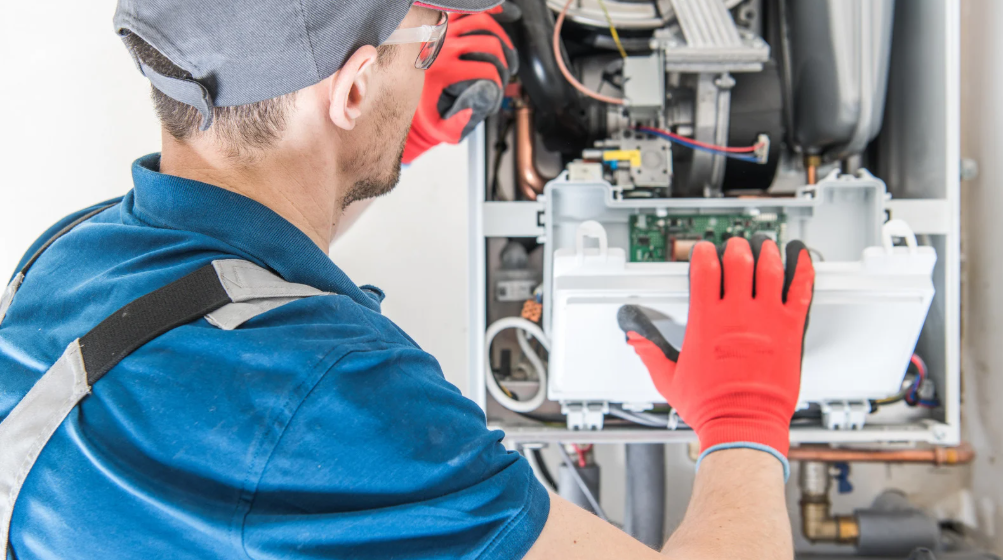
A functioning heating system is vital for maintaining comfort and safety during the colder months. Homeowners often wonder if a strange noise or a sudden drop in temperature signals a quick fix or a significant problem. When uncertainty arises regarding the health of your system, contacting a professional for furnace repair in Dayton is the safest way to accurately diagnose the specific trouble with your unit.
Classifying Minor Furnace Repairs
Minor repairs generally involve replacing smaller components that are designed to wear out over time. These fixes are typically less expensive and can be completed quickly by a skilled technician, restoring your system to full functionality without a long downtime.
Component Replacements and Adjustments
Routine wear often affects parts like the flame sensor, the capacitor, or the thermostat. These components work hard during the heating season and are prone to degradation. For instance, a dirty flame sensor might shut the system down as a safety precaution, while a faulty capacitor might prevent the blower from starting. Recognizing the signs that your furnace ignitor is bad can help you distinguish between simple component wear and more urgent structural issues. A professional can clean or swap these parts efficiently. While these issues are classified as minor, they are critical for operation. Ignoring them can lead to system strain, eventually causing more significant damage that requires a larger investment to correct.
Identifying Major System Overhauls
Major repairs are more complex and usually involve the core mechanical or structural components of the furnace. These issues often require significant labor and expensive parts, prompting a discussion about whether repair or replacement is the better financial option.
Motor Failures and Heat Exchangers
The blower motor and the heat exchanger are the heart of your furnace. If the blower motor fails, warm air cannot circulate through your home, rendering the system useless. Replacing a motor is a significant task that involves precise electrical work. Even more serious is a cracked heat exchanger. This component separates combustion gases from the breathing air in your home. A crack here not only stops the system from working efficiently but also poses a severe safety risk due to potential carbon monoxide leaks. Discovering a failure in these areas usually classifies the job as a major repair.
Questions to Ask Your Technician
When a technician diagnoses a problem, asking the right questions can help you make an informed decision. Understanding the scope of the work ensures you spend your money wisely and protect the long-term efficiency of your home heating.
Warranty and Repair Longevity
Always ask about the warranty status of your current unit and the warranty on the new parts being installed. If your furnace is relatively new, major parts might still be covered, significantly reducing your out-of-pocket costs. Additionally, ask the technician for their professional opinion on the life expectancy of the system after the repair. If a major repair only extends the life of an old unit by a year or two, it might be more prudent to invest those funds into a modern, energy-efficient replacement. A transparent professional will provide a clear cost benefit analysis based on the age and condition of your specific equipment.
Conclusion
Understanding the distinction between a minor fix and a major overhaul empowers you to make the best choices for your home comfort. Whether it is a simple sensor cleaning or a complex motor replacement, relying on expert advice ensures the job is done safely and correctly. By asking detailed questions about the nature of the problem and the expected results of the service, you can ensure your heating system remains reliable throughout the winter. Prioritizing professional care helps you avoid unexpected breakdowns and maximizes the lifespan of your investment.
Apart from that if you want to know about Why Are HVAC Repairs So Expensive? then please visit our Home improvement Category.
For those interested in learning more about how technology impacts various aspects of home maintenance, including shipping jobs, check out The Rise of Shipping Jobs in the Digital Era.
