

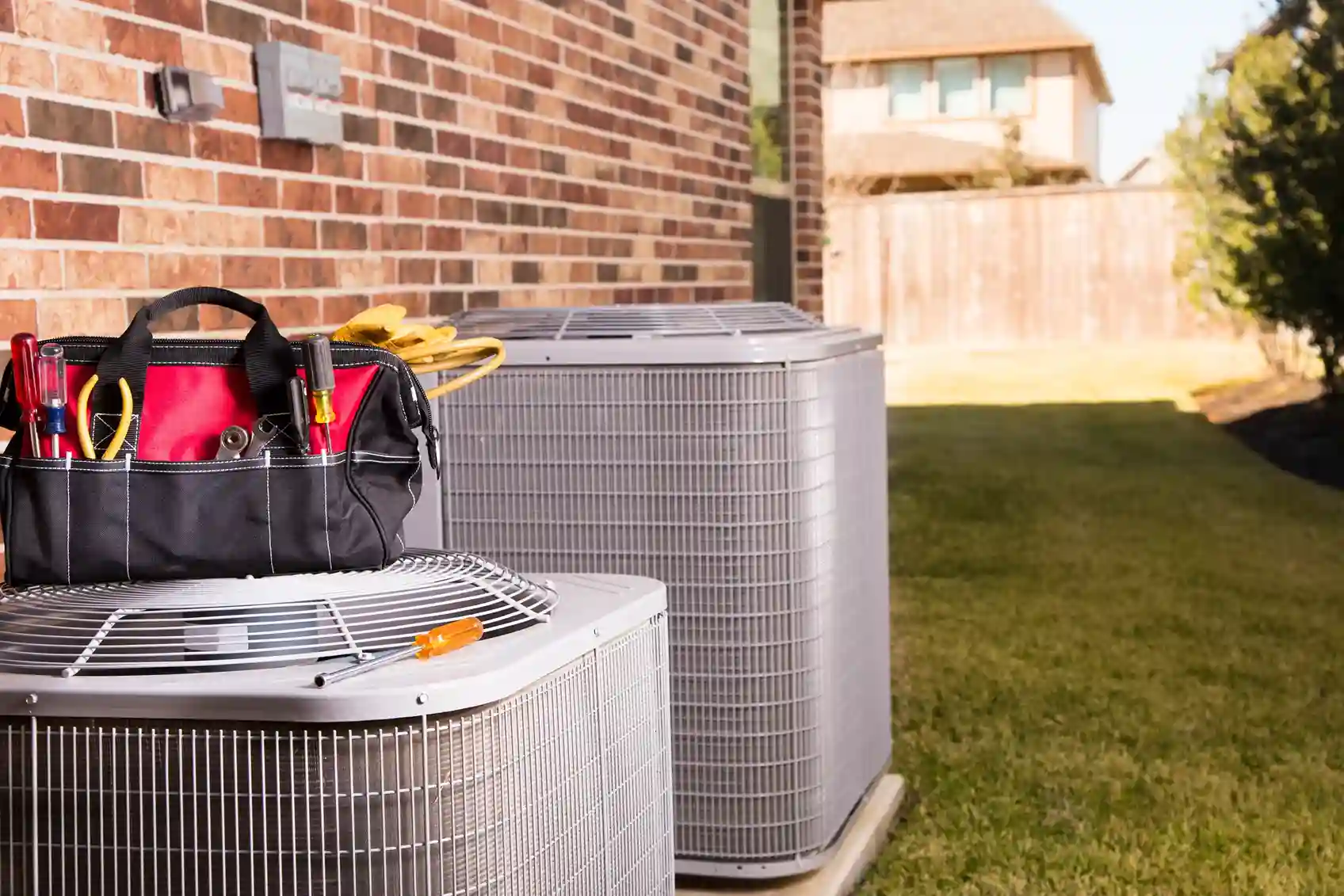
Living in Southern California offers a beautiful Mediterranean climate, but the region’s intense summer heat can make indoor living unbearable without a reliable strategy for temperature control. As a homeowner, selecting the right cooling system involves more than just picking a unit off a shelf; it requires an understanding of your home’s layout, insulation levels, and local environmental factors. When the time comes to upgrade your home’s comfort, finding a professional team for air conditioner installation in West Hollywood, CA can ensure that your new system is sized correctly and operates at peak efficiency. Making an informed decision now can lead to significant savings on your utility bills while providing a much-needed sanctuary from the afternoon sun.
Understanding Different Cooling Technologies
Modern HVAC technology has evolved significantly, offering various options beyond the traditional central air system. While central air remains the gold standard for many large homes, ductless mini-split systems have gained massive popularity for their zoning capabilities and energy efficiency. These systems allow you to cool specific rooms rather than the entire house, which is perfect for older homes where installing ductwork might be difficult or cost-prohibitive. Heat pumps are another excellent alternative, providing both heating and cooling in a single high-efficiency package that aligns well with California’s focus on electrification and sustainability.
Sizing Your System for Efficiency
One of the most common mistakes homeowners make is choosing an air conditioner based solely on the square footage of the house. In reality, a proper load calculation must consider ceiling height, the number of windows, sun exposure, and the quality of your home’s insulation. A system that is too small will struggle to reach the desired temperature, running constantly and wearing out prematurely. Conversely, an oversized unit will “short cycle,” turning on and off too frequently, which fails to remove humidity and leads to uneven temperatures. Professional air conditioner installation in West Hollywood, CA typically starts with a manual J-load calculation to ensure the hardware matches the specific thermal needs of your living space.
The Role of SEER2 Ratings
When comparing units, you will likely see a SEER2 (Seasonal Energy Efficiency Ratio) rating. This number represents the cooling output divided by the total electric energy input. In California, minimum efficiency standards are strictly regulated. A higher SEER2 rating usually means a higher upfront cost, but the long-term energy savings often justify the investment, especially in regions where the AC runs for several months of the year.
Enhancing Indoor Air Quality
A new cooling system does more than just lower the temperature; it acts as the primary filtration system for your home. With Southern California’s occasional issues with smog and seasonal allergens, your HVAC system’s ability to clean the air is paramount. High-efficiency filters, such as those with a MERV 11 or 13 rating, can trap microscopic particles, including dust, pollen, and pet dander. During a new installation, you might also consider adding UV light purifiers or whole-home air cleaners to further reduce airborne pathogens and odors, creating a healthier environment for your family.
Smart Controls and Energy Management
The integration of smart thermostats has revolutionized how we manage home comfort. These devices allow you to control your home’s temperature from your smartphone, but their real value lies in their learning capabilities. By analyzing your habits and the local weather forecast, a smart thermostat can optimize cooling schedules to reduce energy consumption during peak hours. Some advanced systems can even detect when a filter needs changing or if the system is losing efficiency, sending an alert to your phone before a minor issue becomes a major breakdown.
The Long-Term Value of Professional Maintenance
Even the most expensive, high-tech cooling system will underperform if it isn’t maintained. After the initial setup, scheduling bi-annual inspections is the best way to protect your investment. A professional technician can clean the coils, check refrigerant levels, and ensure that electrical connections are tight and safe. Regular maintenance not only extends the lifespan of your equipment but also ensures that it continues to operate at the efficiency levels promised by its SEER2 rating.
Conclusion
Choosing the right cooling system is a vital step in maintaining the comfort and value of your home. By understanding the technology available, ensuring proper sizing, and prioritizing energy efficiency, you can create a living space that remains cool and healthy year-round. While the process may seem overwhelming, focusing on quality components and expert guidance will result in a more sustainable and cost-effective home environment.
