

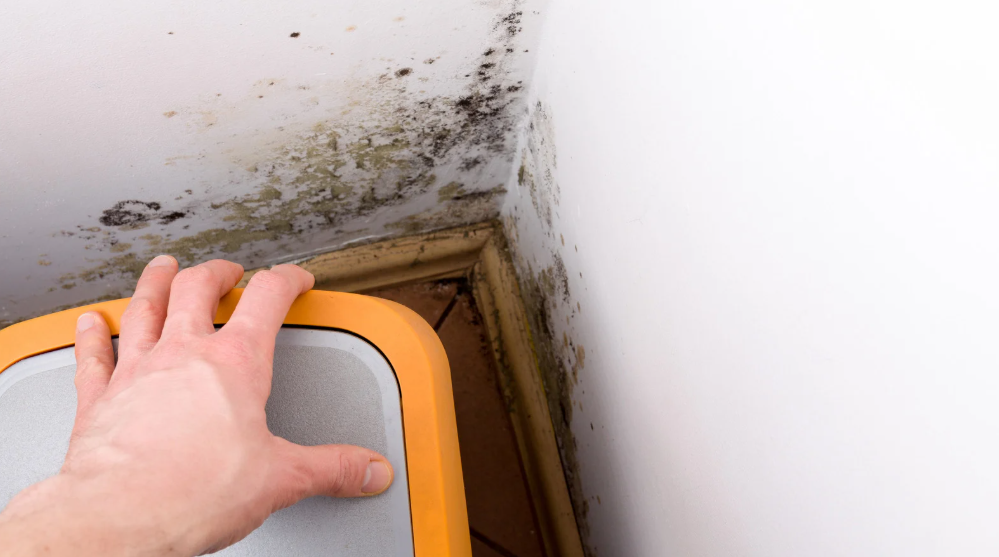
Mold is a pervasive problem that can take root anywhere moisture and organic material meet, often lurking unseen until it becomes a significant issue. It does not just affect the aesthetics of a home; it can compromise air quality and damage structural integrity if left unchecked. Homeowners must remain vigilant, as identifying high-risk zones early is key to prevention. Knowing where to look allows you to catch potential outbreaks before they require extensive intervention. If you suspect an infestation in your property, contacting professional mold removal services in Atlanta is the safest way to ensure your home is restored to a healthy state.
High-Moisture Zones: Bathrooms and Kitchens
The most obvious places to check for mold are areas where water is constantly present. Bathrooms and kitchens create the perfect storm of humidity, heat, and organic food sources for spores to thrive.
The Perils of the Bathroom
Bathrooms are arguably the most common breeding ground for mold due to the daily use of showers, tubs, and sinks. Steam from hot showers condenses on cool surfaces like walls, ceilings, and mirrors, providing constant moisture. Poor ventilation exacerbates this issue, trapping humidity indoors. You might spot growth in tile grout, around the base of the toilet, or on the shower curtain. Less obvious spots include the drywall behind the toilet tank or under the sink where plumbing leaks might go unnoticed for weeks.
Kitchen Danger Spots
Kitchens are similarly vulnerable. Cooking releases steam, and sinks are frequent sites for splashes and spills. However, the real danger often lies hidden. Leaking pipes under the kitchen sink can saturate the cabinetry and floorboards, creating a dark, damp environment where mold flourishes. Additionally, the area behind the refrigerator, particularly the drip pan, and the seals on dishwasher doors are frequent, overlooked hotspots that require regular inspection.
Hidden and Neglected Spaces
While bathrooms and kitchens are easy to monitor, mold often grows in areas of the home that see less foot traffic. These neglected spaces can harbor significant infestations because they are dark, often damp, and rarely inspected.
Basements and Attics
Basements are notoriously damp due to their location below ground level. Groundwater can seep through foundation cracks, and poor air circulation keeps the space stagnant. Mold often grows on cardboard boxes, wooden furniture, or drywall stored in these areas. Conversely, attics face issues from roof leaks and condensation. Hot air rises, carrying moisture into the attic where it meets the cold roof deck, leading to condensation that feeds mold growth on insulation and wooden rafters.
The Crawl Space Factor
Crawl spaces are perhaps the most neglected area of a home, yet they are critical to its overall health. These low-lying areas are susceptible to ground moisture rising up and trapped humidity. Because they are difficult to access, infestations here can grow undisturbed for years, affecting the air quality of the living spaces above. Understanding the nuances of DIY vs. professional crawl space mold removal is vital, as this is a complex environment where improper handling can lead to structural damage or cross-contamination of the main living area.
Conclusion
Mold is an opportunistic intruder that will settle anywhere conditions allow. By keeping a close watch on high moisture areas like bathrooms and kitchens, as well as inspecting hidden zones like basements, attics, and crawl spaces, homeowners can stay one step ahead. Early detection is your best defense against extensive damage. However, when an infestation is discovered, relying on expert assistance ensures the problem is handled thoroughly and safely, protecting both your property and the well-being of those living inside.
Apart from that, if you want to know about Common Challenges in Fire and Smoke Damage Restoration, then please visit our Home improvement category
For more information on areas prone to moisture and potential mold growth, check out How Fire Sprinklers Work to Keep You Safe
For more information on high-moisture zones in homes, check out The Rise of Shipping Jobs in the Digital Era.
