

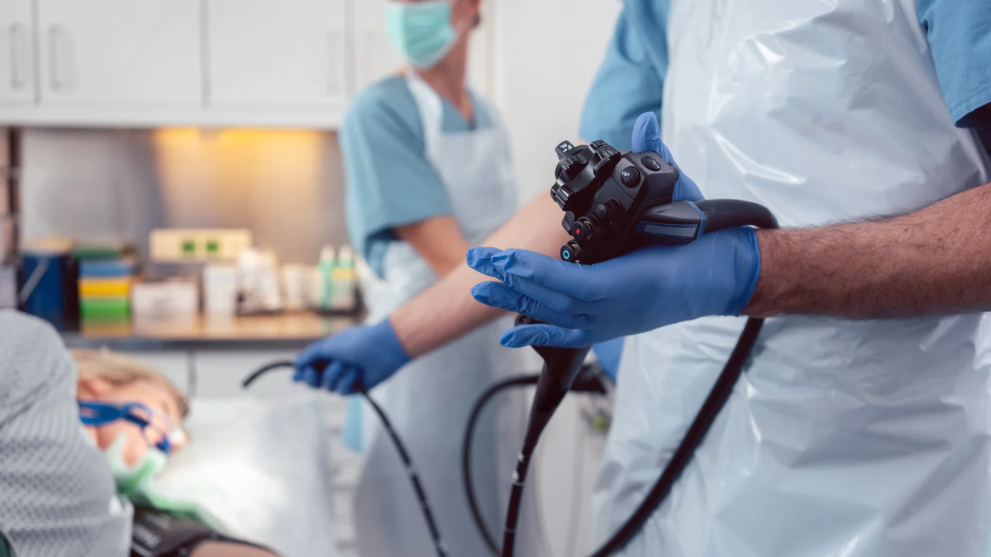
An upper endoscopy is a valuable diagnostic tool that allows your doctor to examine the lining of your upper gastrointestinal tract, including the esophagus, stomach, and the first part of your small intestine. While the procedure itself is quick and routine, proper preparation is essential for its success. Following your doctor’s instructions carefully ensures they will have a clear, unobstructed view, leading to the most accurate diagnosis possible. If you are scheduled for an upper endoscopy in Baltimore, understanding the preparation steps can help you feel more comfortable and confident on the day of your appointment.
The Importance of an Empty Stomach
The most critical part of preparing for an upper endoscopy is ensuring your stomach is completely empty. Food or liquid can obscure the view and may prevent your doctor from identifying important findings.
Following Fasting Instructions
You will be given specific instructions about when to stop eating and drinking. Typically, you will need to fast from all food and liquids for six to eight hours before the procedure. It is vital to adhere to these guidelines precisely. An incomplete fast may result in the procedure needing to be rescheduled, delaying your diagnosis and treatment.
Managing Your Medications
It is important to discuss all of your current medications with your doctor well in advance of your procedure. Some medications may need to be temporarily adjusted or stopped to ensure your safety during the endoscopy.
Guidance on Specific Medications
You will receive personalized advice regarding your prescriptions, particularly for blood thinners, insulin, or other diabetes medications. It’s crucial not to stop any medication without explicit direction from your healthcare provider. For more details, it is helpful to learn all about the upper endoscopy procedure so you can have an informed discussion with your doctor. Following these medication instructions helps minimize risks and ensures the procedure can proceed as planned.
Arranging for Post-Procedure Care
Because you will receive sedation for the procedure, you will not be able to drive yourself home. Planning for your recovery and transportation is a key part of your preparation.
Organizing Transportation and a Recovery Buddy
The sedative used during an upper endoscopy will make you feel drowsy and affect your judgment and coordination for the rest of the day. For your safety, the medical facility will require you to have a responsible adult accompany you and drive you home. Patients should not drive or operate machinery for 24 hours after sedation. Arrange for a friend or family member to be available for you, and plan to rest for the remainder of the day to allow the effects of the sedation to wear off completely.
On the Day of the Procedure
On the day of your appointment, a few final steps will ensure everything goes smoothly. Wear comfortable, loose-fitting clothing and leave any valuables, including jewelry, at home.
Final Preparations
Remember to bring your insurance card, a photo ID, and a list of your current medications and allergies. Arriving a little early allows time for any necessary paperwork without feeling rushed. By being fully prepared, you help the medical team provide you with the most efficient and effective care.
Conclusion
Proper preparation is a simple yet crucial step in ensuring a successful upper endoscopy. By following your doctor’s instructions regarding fasting, medication management, and arranging for post-procedure care, you play an active role in your own health. This diligence allows your medical team to perform a thorough examination, leading to an accurate diagnosis and the best possible outcome for your well-being.
Apart from that, if you want to know more about Essential Questions to Ask Your Weight Loss Surgeon then visit our Health category.
For more tips on preparing for a medical procedure, check out our Wedding Planning Checklist Must Have Groom Accessories
