

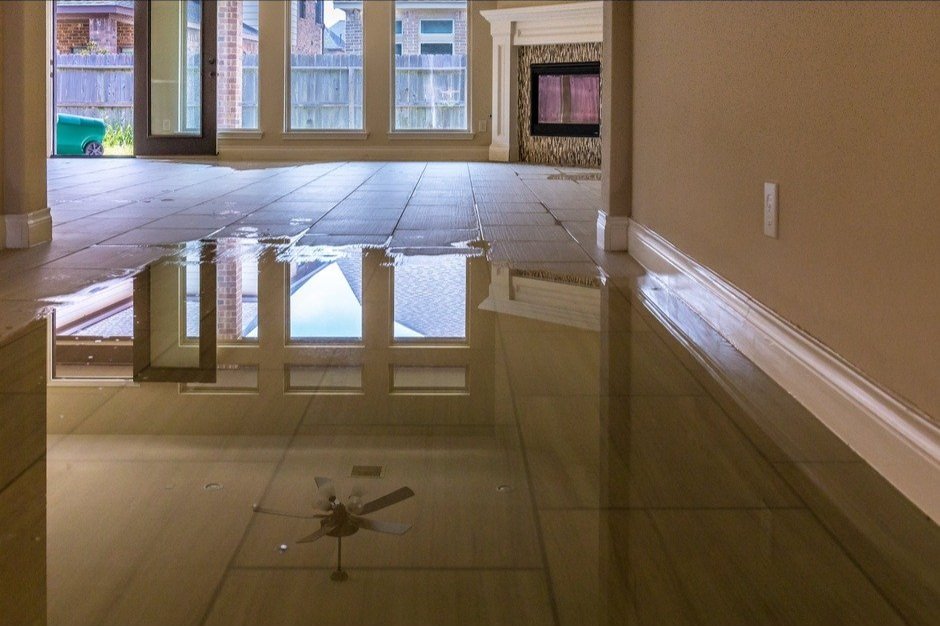
Water damage can strike suddenly—from burst pipes to storm flooding—and the clock starts ticking the moment it happens. Acting fast can mean the difference between a simple cleanup and a costly, mold-infested disaster.
This guide covers:
✔ The 3 categories of water damage (and why they matter)
✔ Step-by-step restoration process
✔ DIY vs. professional repair costs
✔ How to prevent long-term structural & health risks
Let’s dive in before the next flood does.
1. “Clean,” “Gray,” or “Black” Water? Know Your Risk Level
Not all water damage is equal. Restoration pros classify it by contamination level:
Category 1: Clean Water
- Source: Broken supply lines, sink overflows, rainwater
- Risk: Minimal health threat if treated within 48 hours
- DIY? Possible with wet/dry vacuums and fans
Category 2: Gray Water
- Source: Washing machine leaks, dishwasher runoff, toilet overflows (no feces)
- Risk: Bacteria/chemical exposure—requires disinfectants
- Professional? Recommended for thorough sanitation
Category 3: Black Water
- Source: Sewage backups, floodwaters, storm surges
- Risk: Pathogens (E. coli, norovirus), toxic mold growth
- Emergency Action: Evacuate affected areas; call pros immediately
Ever had a “harmless” leak turn into a mold nightmare? Share your story below.
2. The 5 Critical Steps of Water Damage Restoration
Step 1: Stop the Source
- Shut off main water supply for burst pipes
- Place tarps over roof leaks
- Redirect stormwater with sandbags
Step 2: Extract Standing Water
- Use submersible pumps for severe flooding
- Wet/dry vacuums work for <1 inch of water
Step 3: Dry & Dehumidify
- Industrial air movers (rentable at Home Depot)
- Dehumidifiers run 24–72 hours to prevent mold
Step 4: Disinfect & Salvage
- Vinegar/water mix for Category 1
- EPA-registered antimicrobials (e.g., Concrobium) for Category 2+
Step 5: Rebuild & Restore
- Replace warped drywall/flooring
- Inspect for hidden moisture with infrared cameras
If you’re dealing with significant damage, we highly recommend reaching out to trusted experts like Premier Construction and Restoration for professional water damage restoration in Anderson, SC. Their fast response and skilled team can make a huge difference in protecting your home.
Pro Tip: Document damage thoroughly for insurance claims—time-stamped photos save disputes.
3. DIY vs. Professional Restoration Costs
| Task | DIY Cost | Pro Cost |
| Water extraction (1,000 sq ft) | 200–200–500 (rental equipment) | 1,000–1,000–3,000 |
| Drywall replacement (per sheet) | $20 + labor | 75–75–150 installed |
| Mold remediation (per sq ft) | 1–1–3 (spray) | 10–10–25 (professional) |
When to Call Pros:
- Black water contamination
- Hidden moisture in walls/subfloor
- Insurance-covered claims (pro documentation strengthens cases)
Did You Know? Many policies deny claims if mold develops from delayed repairs.
4. Hidden Dangers of Untreated Water Damage
A. Structural Rot
- Wet wood loses 50% strength within 2 weeks
- Sagging floors and compromised foundations follow
B. Toxic Mold Growth
- Starts in 24–48 hours
- Health risks: asthma attacks, allergies, neurological issues
C. Electrical Hazards
- Water + wiring = fire or electrocution risk
- Always cut power to affected areas
Ever discovered mold behind a “repaired” wall? You’re not alone.
5. Insurance Coverage: What’s Typically Covered?
✔ Sudden/accidental damage (burst pipes, appliance leaks)
✔ Storm-related flooding (if you have separate flood insurance)
❌ Negligence (unfixed leaks, poor maintenance)
Smart Moves:
- Video inventory valuables pre-disaster
- Keep receipts for repairs
6. Prevention: How to Avoid Future Disasters
🔹 Inspect hoses/appliances every 6 months
🔹 Install water sensors near basements/water heaters
🔹 Grade soil away from foundation (slope of 6″ per 10 ft)
🔹 Test sump pumps before rainy seasons
What’s your best flood-prevention hack? Share it with fellow homeowners!
Final Thought: Act Fast, Save Thousands
Water damage worsens exponentially every hour. Whether you DIY or call pros, immediate action prevents health hazards and financial headaches.
Last Question:
What’s the worst water disaster you’ve faced—and how did you handle it?
If you want to know more about Benefits of Sewer Drain Cleaning in Residential Plumbing,then visit our Home Improvement category.
For more details on the different types of water damage (Category 1: Clean Water, Category 2: Gray Water, and Category 3: Black Water), you might find this article How Fire Sprinklers Work to Keep You Safe useful.
